
What to Ask if You’re Considering Therapy?
Is counselling or psychotherapy something that’s on your mind at the moment? There's been plenty of media interest lately in the process of counselling and psychotherapy which have led lots of people to consider if therapy is something they might benefit from. TV shows and Netflix documentaries have given us a peek behind the door of the counselling room into a world that's often shrouded in mystery. Perhaps you've watched Couples Therapy, Fighting Addiction, Tough Talking or Stutz recently, and wondered if counselling or some form of therapy might be helpful for you? Maybe you’ve caught the odd episode (or binge watched!) Virgin Island or Blue Therapy and been curious about the therapeutic work shown. Even if you've not seen these shows, life events and familiar emotional and relationship patterns may be making themselves known to you, leading you to consider therapy. Either way, finding out what counselling involves is a sensible way to help decide if therapy is right for you or not. In this blog, we cover some of the questions that are often helpful when considering therapy.

Considering therapy?
It can help to be clear on what counselling involves, and the different types of talking therapies out there to choose from if you are considering therapy
Me or us?
If you’re considering therapy to help you address challenges, issues or pain you’re experiencing, a helpful starting question is whether individual therapy, relationship counselling or group therapy is what you’re after? Let’s take a moment to explore these different options.
Couples Counselling
The BBC show Couples Therapy, based in the US, shows therapist Dr Orna Guralnik working with couples wanting to save their relationships. Sometimes called relationship counselling, this type of therapy involves a therapist supporting a couple to better understand the dynamics at play in their relationship.
Group Therapy
Another option is group therapy. The BBC documentary Fighting Addiction showed Busted star Matt Willis and his wide Emma attend a support group for people with lived experience of addiction. Matt also attended a therapy group within a rehab program. Therapy groups can offer space to explore how being in contact and connection with others impacts us, and what we need from that encounter with others. Therapy groups can be led and facilitated by a therapist. Sometimes such groups are peer-led, without the support of a therapist. These may be called support groups, rather than therapy groups. Either way, the process is designed to be beneficial for the people who are part of the group.
Individual Counselling
The majority of people, however, opt for individual therapy, sometimes called “personal therapy” or “personal counselling”. This is where a person works one-to-one with a counsellor or therapist. In the UK, around 85% to 90% of people who access therapy are in individual therapy, compared to couples therapy, which makes up roughly 5-10%, and group therapy, which represents around 3-5% of adult talk therapy.
Individual counselling focuses on building a supportive and therapeutic one-to-one relationship with the therapist to provide the framework and container for you to explore your issues. BBC 3's Tough Talking showed rapper Kema Kay as he accessed individual counselling over the course of eight therapy sessions. The Netflix documentary, Stutz is another example of one person's experience of individual therapy. And in a powerful scene within Fighting Addiction, Matt Willis speaks one-to-one with a therapist about childhood trauma he experienced, and how opening up about this has been difficult for him. We see his counsellor supporting Matt to better understand how he found ways to cope and manage in the face of such difficulties.
So, considering whether you feel relationship, group or individual therapy might be useful to you is one consideration when reflecting on whether counselling may be for you.

Individual Therapy
One-to-one counselling support is a popular option for people seeking to explore challenges and difficulties in life
What's helped before?
Another useful question when considering if therapy will be helpful for you is to ask yourself what's helped you previously? Working out what's been useful when you've struggled with problems, emotional difficulties or relationships in the past can give you a clue as to whether therapy might be something you'd benefit from.
If you have a sense that taking time to reflect has been helpful, then counselling may be a good fit. Talking therapies offer a reflective space to consider and make meaning of what matters to you. Likewise, if you've previously found expressing how you feel has felt helpful, then therapy could well be suited to what works for you. Counselling is an opportunity to connect with emotions and how you feel about what happens in your life, and to then express and communicate this with someone who is trained in listening attentively, empathically, and non-judgementally.
Perhaps creative activities, breathwork, time in nature, or mindfulness practice has been of help to you previously? Many forms of talking therapy draw upon and integrate such practices into the work. Working out what's helped before can support with identifying if counselling might be of help now for you - and if so, what you are looking for from therapy.
There are many different types, or modalities, of talking therapy available. Person-centred, CBT (Cognitive Behavioural Therapy) and Integrative therapy are three modalities you are likely to come across. There are many more! Having a sense of what's worked for you in the past when you've faced challenges and pain can help you navigate what therapy modality might work for you.
You can also consider the reverse question: what hasn’t been helpful for you previously. Recognising what hasn't worked can help you decide if counselling offers a hopeful way forward for you. If you know that ignoring a problem, or trying to forget about an issue hasn't ultimately been helpful, then having space to address concerns in the context of a supportive therapeutic relationship can offer a fresh perspective. Likewise, if you've found that being given advice about what you "should" do has felt problematic for you - counselling may be a good fit. Most counsellors won't give you direct advice - preferring to honour and support your own capacity for working out what feels a good fit for you, rather than imposing solutions on you.
What would I like to be different?

What would you like to feel or think differently about in your life?
This question can help you to refine whether counselling feels a fit for you, and to help you express what you’re wanting from the work if you’re considering therapy
Counselling offers a space to explore what you'd like to be different, or change. Of course, there are plenty of things in life we can't change. Here in rainy Preston, we can't change the weather, unfortunately! Yet, there are things that we can change, and counselling can support the process of change - giving space to change our relationship with ourselves, change how we feel about something, and change the way we relate to others. It can be helpful to consider what it is you'd like to change or be different in your life when you are considering counselling. How would you like to feel about the challenges in your life? Would you like to think differently, or have a different perspective? Consider this question can help you in having an initial conversation with a counsellor about what it is you are looking for from the process. Knowing what you'd like to be different can help you decide if therapy is a helpful tool towards what you want to change.
It might be you aren't sure what you want to be different? That's okay! Many people come to therapy initially unsure about what they really want from the process. Instead, they might experience a niggling feeling that life has more for them, or that something feels amiss. If you do decide to access counselling, you can work with your therapist to gradually become clearer about what you do want and need from the process. That can be a collaborative process, so that you aren't alone in identifying what you would like to be different. In other words, it's okay to not be sure exactly where you want to get to with therapy. This is likely to emerge in time as you work with a therapist. Asking the question, even before you commit to therapy, however, can help you become clearer about what it is you might want to get out of counselling.
What fears am I aware of?
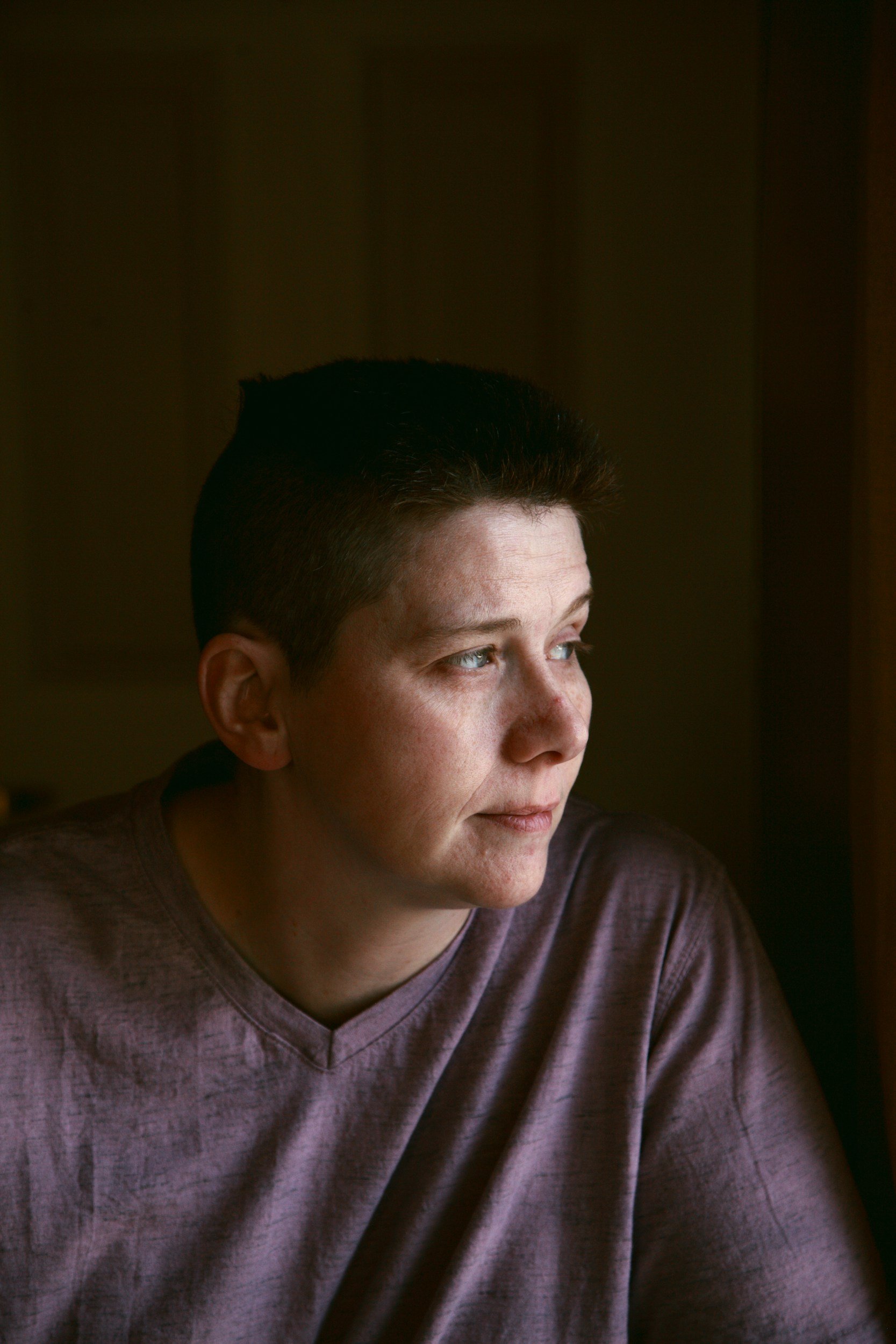
Take a moment to notice if you feel any trepidation or fear if you’re considering therapy
It can be daunting to begin the process of opening up to a counsellor. An experienced counsellor will be interested in any feelings of nervousness or fear you are feeling, and will be working to build rapport and a therapeutic relationship which can help to settle any fears
When you consider sitting in a counselling room, or speaking to a therapist online, what fears or worries are you aware of? Do you notice any tension or contraction in your body or breath as you imagine opening up to a therapist? It's very likely that you have some apprehension, anxiety or trepidation about considering counselling - after all, it can be a huge step to speak to someone about your emotions, thoughts and feelings. Bringing any fears about counselling into awareness allows you to acknowledge them and consider if they are a barrier you do want to overcome. If you do decide to make enquiries about counselling or psychotherapy, recognising what fears you have allows you to discuss with a potential therapist what support you might need in place to make counselling accessible for you.
Next steps?
So, if you are considering therapy, it may be that the questions here offer a starting point towards structuring your thoughts around what you want and need. And, if not - I hope at least, you've benefitted from some TV recommendations!
If you’re interested in scheduling a free intro call to ask any questions you might have about starting therapy, or to find out more about what counselling involves, I welcome you making contact.

I’m a BACP Senior Accredited Psychotherapist offering professional counselling and psychotherapy in Preston, Lancashire and online for adults based in the UK.
I offer a simple, no-pressure approach to people who are considering therapy - and can chat through how I work, and to share with you my availability for new clients for either:
In person short-term counselling for individuals in Preston, or online via MS Teams.
Longer term individual psychotherapy, again either in person in Preston, or online via MS Teams.
Single Session Therapy appointments for exploring what would help for now with a single issue - either face-to-face or online.