
What do Counselling and Houseplants have in Common?
What do counselling and houseplants have in common? Well, one answer is, both are a big part of my life! I love my work as a counsellor in Preston, and I love houseplants! In this blog, I use my love of all things gardening to shine a spotlight on the process of counselling, to more fully explore what plants and counselling have in common.
An ode to houseplants
As I say, I love houseplants. In fact, I love gardening full stop. So, houseplants help me get my gardening fix when the Preston weather outside is cold and dank. One of the houseplants I particularly love is my peace lily. I have a couple of peace lilies – which I was able to create by dividing my original plant after it outgrew its pot. Some people say peace lilies bring luck. That’s not why I love them. I love the green, glossy leaves of the peace lily and the occasional treat of a white flower that stands proud above the foliage. Peace lilies also remove chemicals and pollutants from the air, so I also like them because of their air purification qualities.
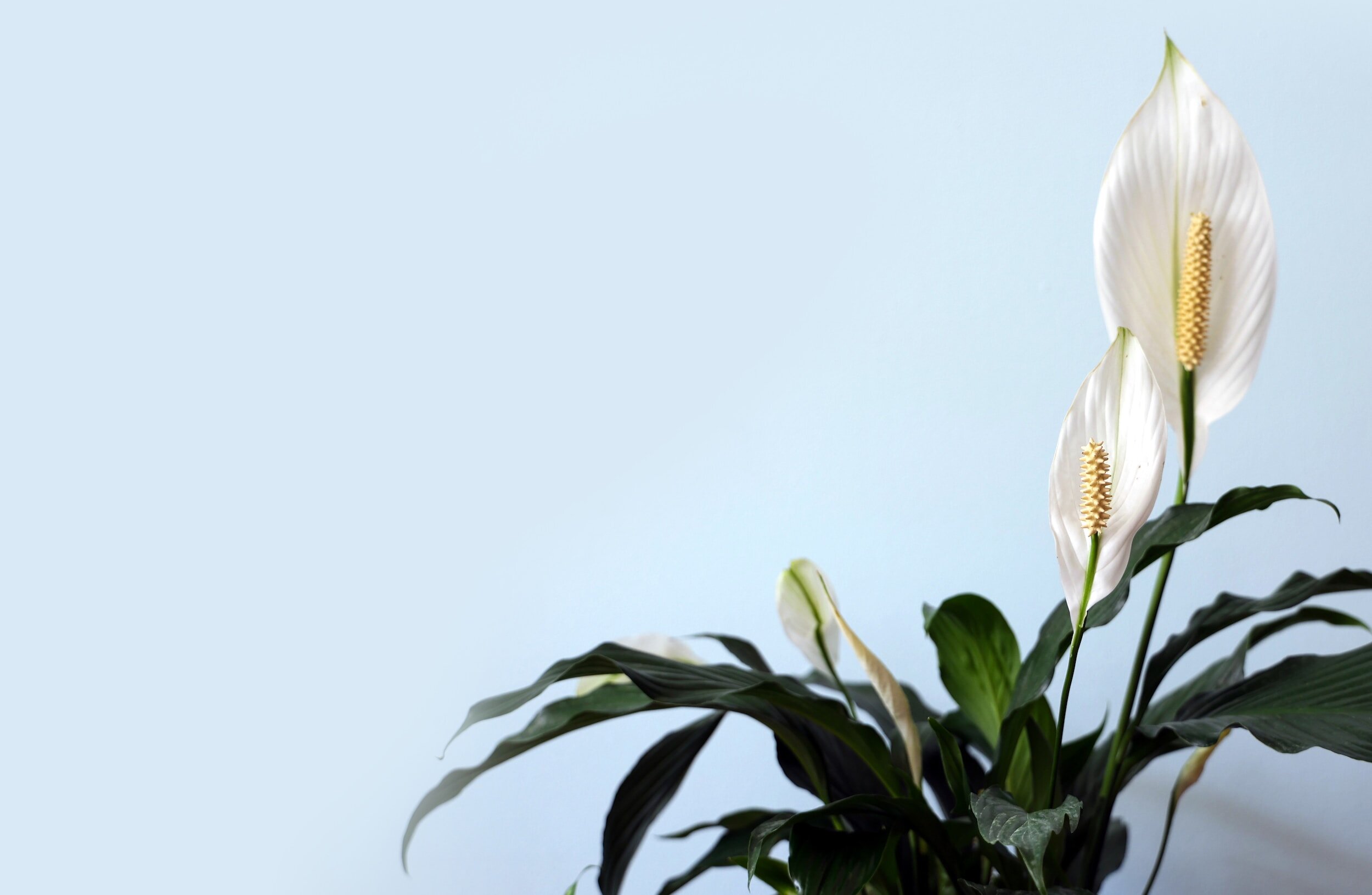
Peace Lillies bring a smile to my face, and freshen up the air around them
Win win!
A tale of two plants
This morning, I noticed how different my two peace lilies were looking. One sits in a sunny spot, close to a large window in the kitchen. This plant is treated to plenty of bright light and moisture in the air from cooking. As I potter around making tea, I remember to give this lily a drop of water or a quick spitz with a water spray and so she (yes, I have given my plants pronouns!) benefits from plenty of hydration. This plant has shiny, healthy leaves and is putting forward new shoots. She brings me a lot of joy!
In contrast, my other peace lily has been homed in a spot in the hallway. The windows in this space are small, and north facing. I’m much more likely to neglect giving this plant a watering. Today, as I walked past, I noticed how sorry this peace lily was looking. Yellowing shrivelled leaves and drooping stems. She was not looking her best!

Me, feeling sorry for my peace lily
It’s time for action….
And so, what was to be done? I reflected on the difference between these two plants. They both came from the same original plant and the only difference between these sisters has been the ways in which they’ve been treated and what environment they’ve been exposed to. One plant has been kept in an environment that’s supported her to thrive and bloom. The other plant is struggling on, making the most of what can only be called a “less than ideal” environment. Peace lilies need light and plenty of moisture to thrive. So, I’ve moved the hallway plant into the kitchen and given her a good drink. I’m hopeful that this second plant will feel much happier next to her sibling – she’ll have more of what she needs and will feel at home in the kitchen.
What has any of this got to do with counselling?
As I moved my plant this morning, I was reminded of the principle of “field theory” which is an important concept in Gestalt therapy – a modality of psychotherapy that influences how I practice as a counsellor. Field theory sees that an individual is influenced and influences the “field” in which they live. To understand a person, its important to consider the wider environment or “field” in which they live: the two are holistically interlinked. To make meaning of a your anxiety, or low mood, of feelings of anger and disappointment, it is helpful to see how these experiences are a dynamic response to your wider field or situation, and how your experience impacts your field.

Field Theory reminds us we don’t exist in a vacuum
Counselling helps you explore how your environment (your “field”) impacts and is impacted by you
Counselling as psychological gardening
My peace lilies are impacted by their environment. They also have an impact on their field as they purify the air and remove pollutants. In a similar way, I believe that my client’s (and my own!) behaviour, feelings, and experience of themselves will be impacted and be impacting their situation and what’s happening for them in their own field. Gaining awareness of the impact of our life situation and how this impacts us allows us to make choices about what we want and need, and what supports can help us towards this. I like to think of my counselling practice as a form of collaborative psychological gardening – supporting the people I work with to tend to their own needs and find out what it is they want and need to be able to bloom and thrive.
The counselling environment
My peace lily drama this morning also reminded me of what it is I endeavour to offer my clients when we work together: a therapeutic relationship built on empathy, acceptance and non-judgementalism. Many people have had “less than ideal” environments in their relationships. I never want the therapeutic relationship to replicate that. I believe change is possible, and an important factor in change is experiencing a different environment. I want to offer a space where you might be able to receive my respect for you and feel valued, prized, and understood - freeing you to better understand yourself, to grow in self-awareness and make choices that feel good for you. Just like I want to offer my second peace lily a different environment from what she’s had up till now, so she can bloom and grow in the way that she’s capable of. A supportive environment is what I aim to offer in my Preston counselling practice, as well as when I offer online counselling.

Empathy, openness and non-judgementalism is the “soil” in which you can grow in self-awareness and acceptance
This environment can support your growth
Offering yourself a tending environment:
And, so, what can you take away from all of this? My hope is my reflection on what houseplants and counselling have in common might offer you some pointers towards your own reflection, and a greater awareness of what a tending environment can look like for you. Perhaps some of the following questions will spark some of your own reflection:
I wonder if you have any sense of your own “field” and what’s happening and happened in your environment?
What impact does your environment and situation have on you, and what supports you to feel at ease and most able to thrive?
How have “less than ideal” environments impacted you? Do you believe change is possible? What do want or need to help you towards change?
What types of relationships help you to feel most able to get in touch with yourself?
These questions may be helpful for you as you do your own spot of psychological gardening. And, if you’d like a gardening companion to work with – feel free to get in touch to see if working together in a therapeutic relationship could help you blossom.
Next steps?

If you’re interested in scheduling a free intro call to ask any questions you might have about counselling or how counselling can help you in your own process of tending to yourself and moving towards personal growth, I welcome you making contact with me, Claire Law.
I’m a BACP Senior Accredited Psychotherapist who, as well as loving gardening, offers professional counselling and psychotherapy in Preston, Lancashire and online for adults based in the UK.
I offer a simple, no-pressure approach to people who are considering therapy - and can chat through how I work, and to share with you my availability for new clients for either:
In person counselling at my therapy room in Preston.
Online counselling via MS Teams.